
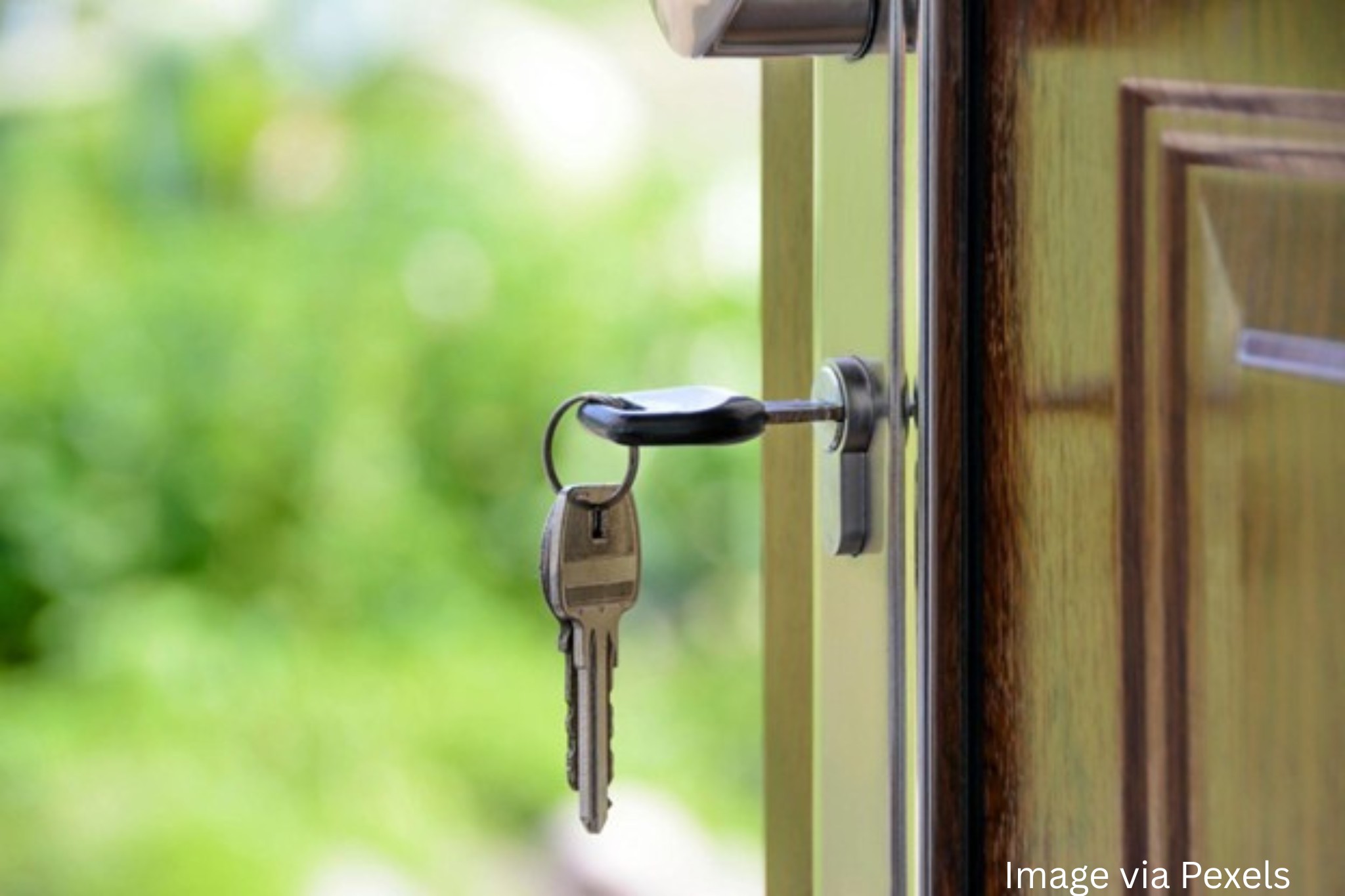
Buying a home is more than a financial decision — it’s a life move, especially for those transitioning from military service into civilian stability. For veterans, the path to homeownership comes with unique opportunities, benefits, and yes, its fair share of potholes. But just because it’s complex doesn’t mean it has to be confusing. The key is going into it with eyes wide open, tools at the ready, and a clear plan that respects both your service and your financial future. From loan options built just for you to smart neighborhood decisions that affect your quality of life, every step matters. Here’s how to do it right — on your terms.
Before you even peek at home listings, get your financial house clean and operational. Start by taking a hard look at your credit — pull your reports, dispute inaccuracies, and if necessary, take a few months to focus on how to clean up your credit score. Then, assess your current income versus debts, and identify how much home you can reasonably afford without overextending yourself. Use this time to set aside money for a down payment, but remember: veterans often have low or no down payment options. Once things look steady, talk to a lender and get pre-approved — not just pre-qualified.
This isn’t just about “getting a mortgage.” It’s about knowing your benefits and making them work hard for you. VA-backed home loans exist for one reason: to help veterans access safe, affordable housing. If you’re unsure whether you’re eligible or what the program covers, review what VA home loans offer veterans, including zero down payments, no private mortgage insurance, and competitive interest rates. These aren’t just perks — they’re hard-earned advantages that can dramatically change your buying power. Talk to a lender who’s experienced with VA loans, and don’t be afraid to ask pointed questions.
Don’t just fall in love with a house — fall in love with your life around it. Think about your commute, proximity to VA hospitals or military bases (if still active duty), school quality, noise levels, and community vibe. If you have kids, pets, or specific lifestyle needs, those should guide your decision as much as the square footage. A good house in the wrong neighborhood can quickly turn into a daily grind. Make sure you weigh 6 factors for choosing a neighborhood carefully before setting your sights on a property. This is about more than what you can afford — it’s about where you want to thrive.
The housing market has a rhythm, and you’re better off moving in sync with it. While spring and summer are peak buying seasons with more inventory, they can also bring stiffer competition and higher prices. Fall and winter? Fewer listings, but more motivated sellers and less bidding war drama. Knowing the spring/summer vs fall/winter housing market can help you plan your timeline wisely. It’s also about personal timing — don’t rush because you’re “supposed to” buy during a hot market. Buy when you’re ready, not just when the market is loud.
Most buyers think the journey ends at the closing table, but veterans especially should think about what happens the day after they move in. That’s where home warranties come into play. Unlike homeowners insurance, which covers catastrophic events, a home warranty covers the cost of repairing or replacing major home systems and appliances that fail due to wear and tear. For someone transitioning into civilian life, this kind of peace of mind can be game-changing. If you want to understand what a home warranty is and how it fits into the big picture, here’s a good one. It’s not mandatory — but it might just save your sanity.
So you’ve found your place, made your offer, and it’s been accepted. This is where many buyers exhale too soon. Now’s the time to negotiate strategically — not just on price, but on who pays for closing costs, timelines, home repairs, and contingencies. Read every document with care, and don’t be afraid to ask your agent to walk you through any clause that doesn’t make sense. If you’re using a VA loan, be aware that certain fees are not allowed to be charged to you — protect that right. When it comes time to sign, double-check everything. This isn’t paranoia — it’s smart ownership.
The day you get the keys is a milestone — but also a handoff. You’re no longer just “shopping.” You’re building. Take time to change your address with the VA and your banks, set up utilities, and establish a move-in checklist. Create a home maintenance calendar so nothing falls through the cracks, especially in the first year. And stay engaged — being a homeowner doesn’t mean you stop learning.
Discover how Doug Dunaway American Legion Post 790 is making a difference in the lives of veterans and their families—join us in fostering a brighter future through community partnerships and support.