
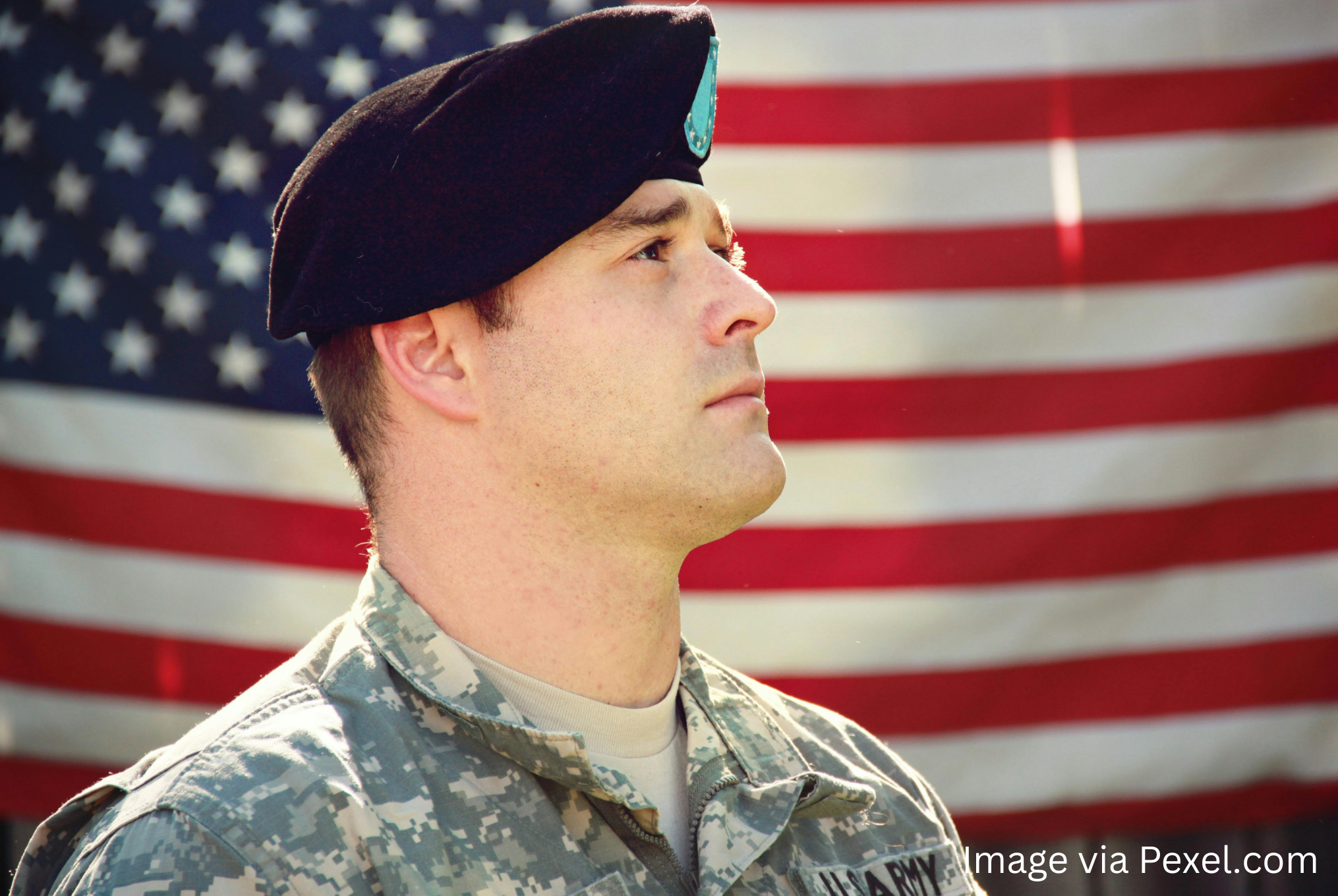
Supporting those who serve isn’t reserved for holidays or parades. For millions of military families, the need is quiet, persistent, and personal. They’re navigating deployments, sudden relocations, long separations, and life after service—all while managing everyday challenges that most of us never have to think twice about. The good news? You don’t need to wear a uniform to make a difference. Real support doesn’t require ceremony. It requires attention. And action.
One of the most powerful things you can give a service member or veteran isn’t a thank-you—it’s community. Coming home, retiring, or simply shifting roles inside military life often leaves people feeling like outsiders. That sense of being “back,” but not really belonging, can linger for years. Programs built around peer support build long-term reintegration stability, offering more than lip service—they offer jobs, workshops, mental health support, and space to be heard. If you’re part of a civic group, church, or even a book club, ask yourself: is there room at the table for someone who’s recently returned?
It’s easy to underestimate what a ride can mean. But for disabled veterans or elderly spouses, getting to a doctor’s appointment isn’t just logistics—it’s a wall. By volunteering for or donating to free veteran transportation services, you help someone cross that wall. This isn’t about grand gestures; it’s about groceries delivered, kids picked up from school, or errands run without needing to ask. Practicality is a form of care. You might not fix everything, but you can lighten the load—one mile at a time.
Military families face recurring stress: new bases, deployments, reentry, silence. A strong mental framework doesn’t erase the hardship, but it helps weather it. Something as simple as a mindset practice can become a lifeline. That’s why sharing practices that cultivate inner resilience—like daily gratitude, goal visualization, or habit stacking—can matter more than you think. It’s not about toxic positivity. It’s about finding one thing, every day, to return to. A routine. A breath. A baseline. Send a link, a book, a voice memo. Sometimes it sticks.
Mental health isn’t always talked about in military circles. But that doesn’t mean it’s not needed. Veterans, spouses, and even children face a tangled mix of grief, adjustment, and identity shifts. One approach that’s gaining traction doesn’t come from therapy sessions—but from art. Programs like SongwritingWith:Soldiers are showing how songwriting retreats create emotional breakthroughs for veterans, simply by pairing them with musicians and letting the story unfold. Creative spaces allow pain to be processed without labels. If you’re connected to the arts—music, painting, writing—consider donating time or tools. You’re not just giving supplies. You’re giving someone a way back to themselves.
Housing instability is a threat multiplier. When a veteran or military family lacks stable shelter, everything else—health, employment, parenting—teeters. Federal programs like SSVF are critical here, targeting housing-first veteran programs that reduce homelessness through direct assistance and case management. But systemic help needs local hands. Know a landlord? Own property? Advocate for vet-friendly policies in your area. Keep an eye on local housing boards. Sometimes the difference between a stable life and sleeping in a car is one call, one connection, one person deciding not to look away.
There’s a story about a man who quietly pays the dinner checks of military families, slipping out before they ever know. And while few of us have the reach or resources he does, we can still borrow the spirit. Because quiet gestures leave lasting impressions on families. Whether it’s anonymously covering a coffee, babysitting on drill weekends, or just showing up to mow a lawn—what’s done without recognition often lands the deepest. If you do it for the thank-you, don’t. If you do it because it matters, you’ll know it landed.
Sometimes the best thing you can do is point someone in the right direction—and make sure the door is open when they arrive. That’s the work of platforms which offer around-the-clock military family assistance for everything from PCS moves to confidential counseling. Knowing what exists—and passing it on at the right moment—can be life-changing. Bookmark it. Share it. Walk someone through it if needed. You don’t need to be the expert. You just need to know where the map begins.
It’s tempting to overthink support. To draft a plan, or a pledge, or a campaign. But the truth is, most military families aren’t waiting for your initiative. They’re just hoping you’ll notice. That you’ll see the late-night Target run after a spouse’s fourth week away. That you’ll hear the silence behind the “we’re doing fine.” That you’ll stop treating service like a story and start treating it like a shared responsibility. The good news? You don’t have to be perfect. You just have to be present. That’s what support looks like. That’s what changes lives.
Discover how Doug Dunaway American Legion Post 790 is making a difference in the lives of veterans and their families through community partnerships and youth programs—visit us today to learn how you can get involved!